A customer comes back after a screen replacement and says:
- "The touch feels strange."
- "Brightness suddenly became unstable."
- "The screen started flickering at low brightness."
- "It worked fine at first… then slowly got worse."
And usually, the first reaction is:
"Maybe the installer made a mistake."
But honestly, after dealing with mobile phone screens for years, a lot of these problems have very little to do with installation.
The real issue often starts much earlier - inside the supply chain itself.
A lot of buyers still judge screens using only two things:
- Price
- Whether the display lights up during testing
That's exactly where problems begin.
Not All "A Grade" Screens Are Actually the Same
This is something many newer wholesalers or repair shops discover the hard way.
In the LCD and OLED business, "A Grade" is not a universal standard. Different factories define it differently.
One supplier's "A Grade" may actually perform closer to another factory's B+ level.
The problem becomes obvious after installation.
At first glance, the screen may look completely fine:
- Good brightness
- Responsive touch
- No dead pixels
- No visible defects
But after several days of real usage, hidden issues begin to appear.
Especially on iPhone OLED replacement screens, low-quality driver IC stability becomes very noticeable under:
- low brightness conditions
- heavy app switching
- gaming heat
- fast charging
This is why some screens pass factory tests but still create high return rates later.
The Real Difference Usually Isn't the LCD Panel
Many buyers think the panel itself is the biggest factor.
Actually, in many cases, the bigger problem is:
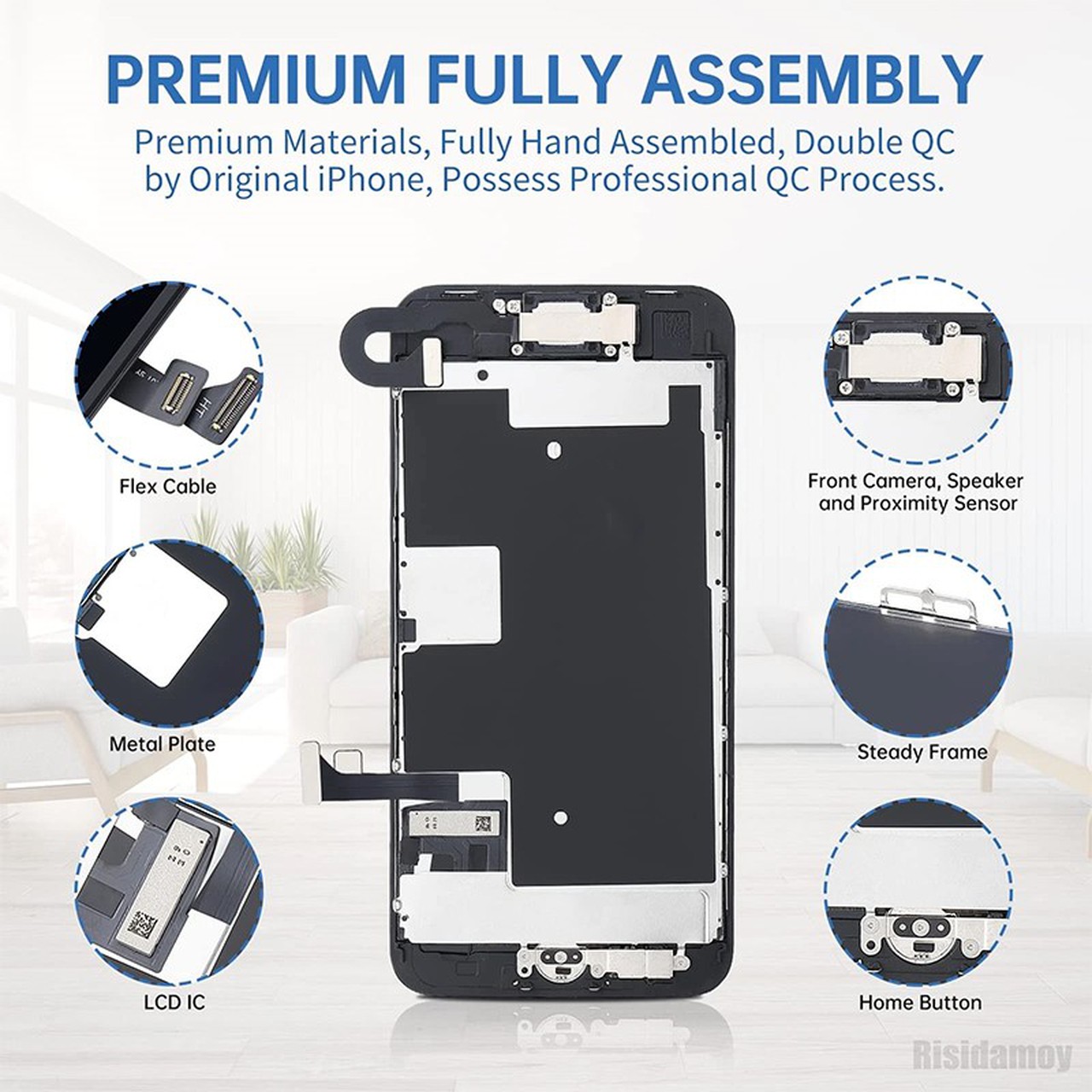
- touch IC quality
- flex cable stability
- lamination precision
- voltage management consistency
You can have two screens using similar panels but completely different long-term performance.
This is especially common in the aftermarket iPhone screen market right now.
Some factories aggressively reduce cost in areas customers cannot immediately see.
For example:
- cheaper touch IC chips
- lower bonding precision
- unstable flex cable materials
- lower QC sampling rates
- Initially the screen works.
But after thermal expansion, charging cycles, or repeated pressure, instability starts appearing.
That's why experienced buyers no longer evaluate screens only by "display quality."
They pay more attention to:
- touch latency
- brightness consistency
- heat stability
- connector precision
- failure rate after installation
Why Cheap OLED Screens Usually Create More Problems?
This part is rarely discussed openly.
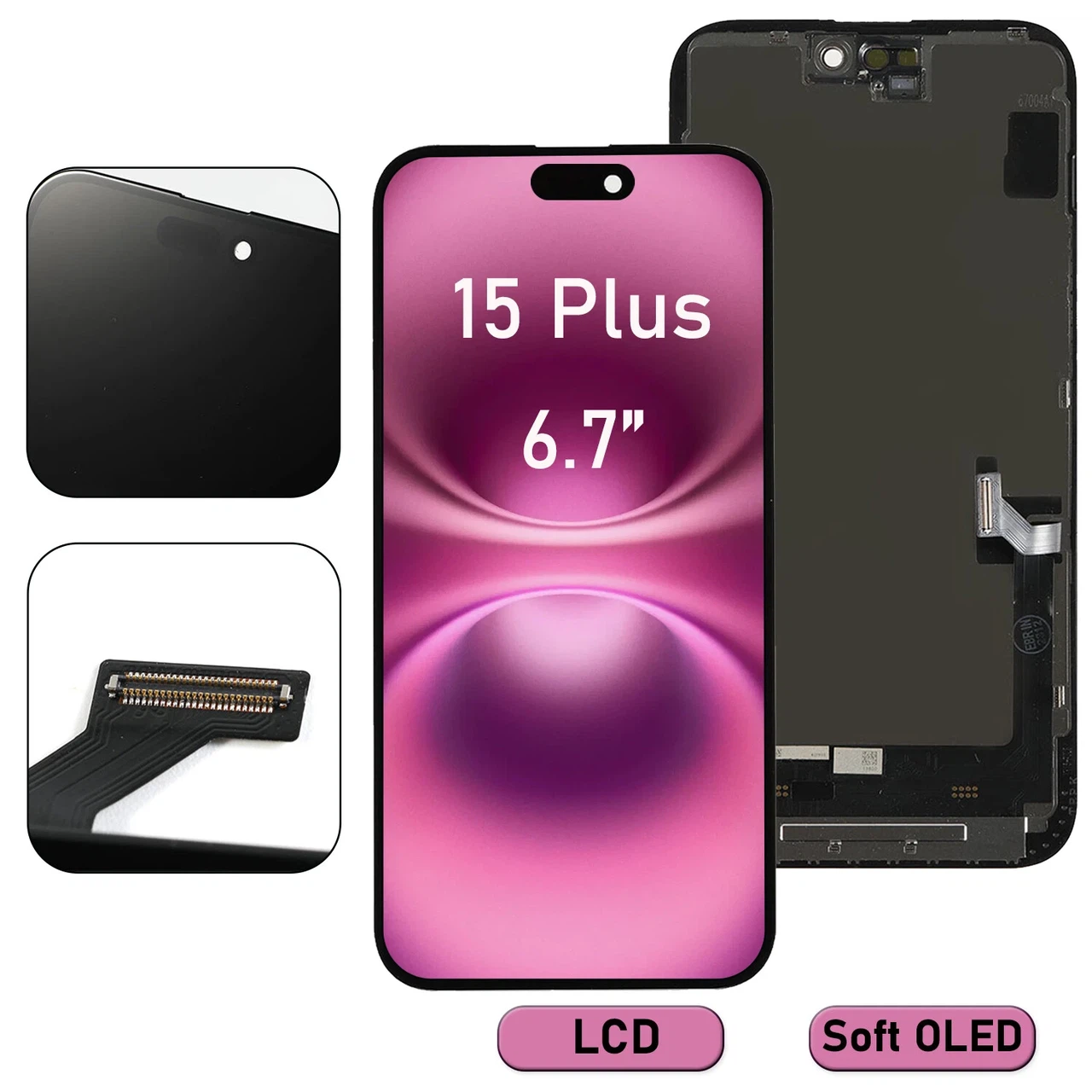
Cheap OLED replacement screens often look attractive because the colors appear vibrant during first inspection.
But many low-cost OLED assemblies have weak long-term stability.
A common issue is brightness fluctuation.
The screen may perform normally indoors, but once brightness increases under sunlight, problems begin:
- flickering
- green tint
- unstable dimming
- ghost touch
A lot of this comes from lower-grade OLED driver components.
Factories trying to compete only on price usually sacrifice long-term stability first.
This is why many professional repair shops prefer stable LCD replacements over extremely cheap OLED options for certain customer segments.
Because one return repair can erase profit from multiple successful installations.
Factories With Lower Defect Rates Usually Don't Have the Lowest Prices
This is another thing many importers misunderstand early on.
They compare only quotation sheets.
But experienced distributors often focus more on:
- consistency between batches
- return rate
- touch stability
- brightness calibration
- packaging protection
- connector alignment
A factory with slightly higher prices but stable production often creates far lower operational risk.
Especially for wholesalers doing bulk business.
One unstable batch can damage:
- customer trust
- repair shop reputation
- reseller relationships
The hidden cost becomes much larger than the initial price difference.
One of the Biggest Problems in the Current Market: Inconsistent Batch Quality
This has become increasingly common over the last two years.
Some suppliers send excellent samples at first.
But later bulk orders come from completely different production lines.
The result?
The first shipment performs well.
The second shipment suddenly has:
- lower brightness
- weaker touch response
- poor frame fitting
- abnormal power consumption
This inconsistency is now one of the biggest challenges in the aftermarket mobile screen industry.
Experienced buyers usually test:
- multiple production batches
- long-term touch stability
- heat behavior
- compatibility consistency
before establishing stable purchasing relationships.
Why QC Processes Matter More Than Marketing Descriptions?
Almost every supplier today says:
- "High quality"
- "Original quality"
- "OEM standard"
- "Factory tested"
But those descriptions don't mean much anymore.
The real difference is hidden inside the QC process.
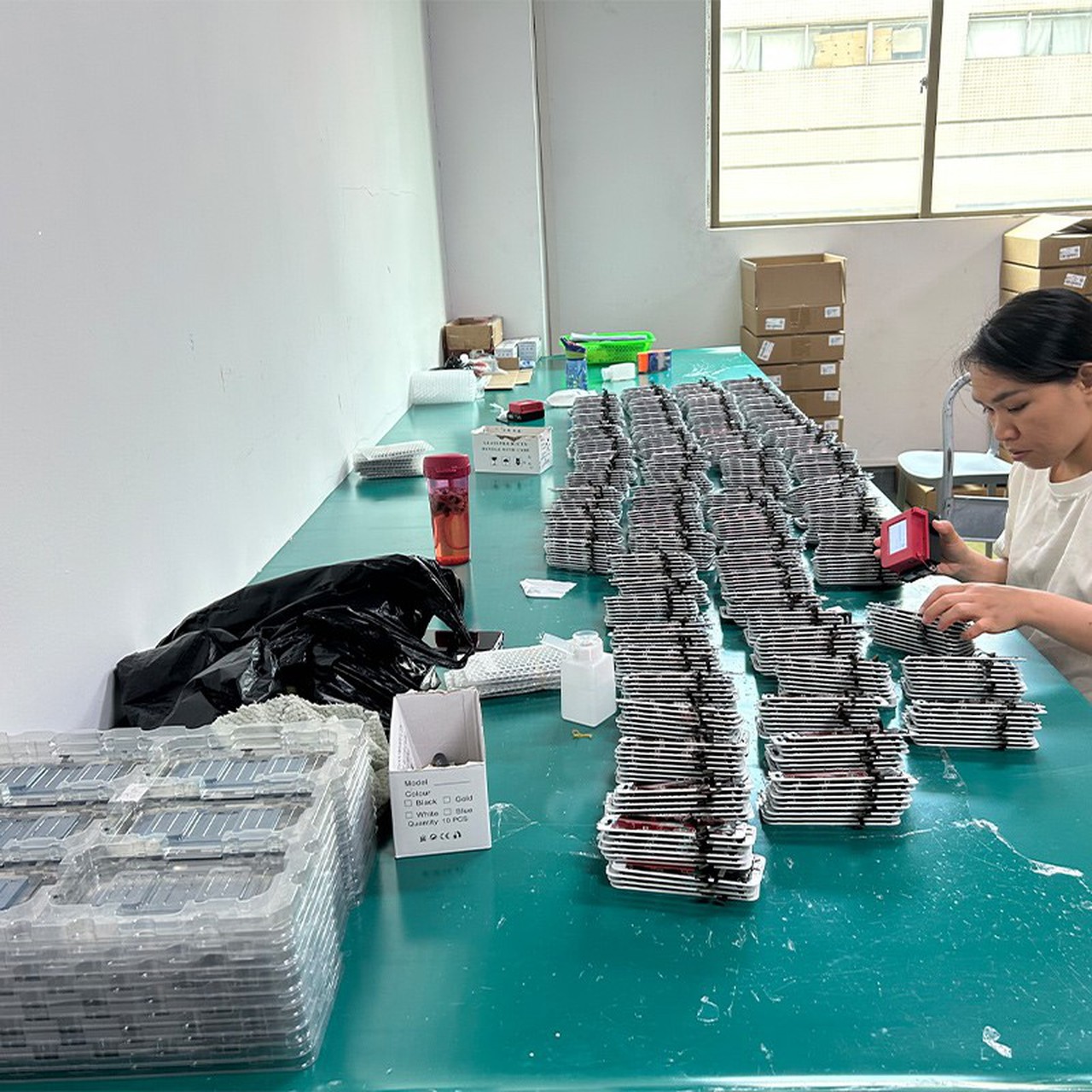
Good factories usually perform:
- dead pixel inspection
- touch path testing
- brightness uniformity testing
- flex cable inspection
- aging tests
- thermal stability testing
Lower-tier suppliers often skip part of these processes to reduce production time.
That's why some screens fail much faster after installation.
Repair Shops Are Becoming More Careful About Supplier Selection
A few years ago, many repair shops mainly chased lower pricing.
Today the market is changing.
Now more repair businesses care about:
- lower return rate
- customer satisfaction
- installation consistency
- stable screen performance
Because negative reviews hurt repair shops badly.
Especially in local markets where reputation spreads quickly.
Some repair stores would rather earn slightly lower profit per screen if it means fewer warranty returns.
Long-term stability has become more valuable than ultra-low pricing.
The Industry Is Quietly Moving Toward Stability Over Cheap Pricing
This trend is becoming clearer.
The market is slowly separating into two groups:
Low-price competition suppliers
Focus:
- cheapest pricing
- aggressive marketing
- fast-moving inventory
Stability-focused suppliers
Focus:
- consistent quality
- stable batches
- lower failure rate
- long-term business relationships
Professional buyers increasingly move toward the second category.
Because in real business operations, stable quality creates more profit than unstable low pricing.
What Experienced Buyers Usually Check Before Large Orders?
Before placing large-volume orders, experienced buyers often verify:
Screen consistency
Not just one sample.
- They test:
- multiple batches
- repeated installations
- long-term touch response
Brightness behavior
Some low-quality screens look acceptable initially but become unstable under high brightness.
Heat stability
Thermal behavior reveals many hidden weaknesses.
Especially in OLED screens.
Connector precision
Small connector inconsistencies can create intermittent touch problems later.
Packaging quality
Poor packaging creates invisible pressure damage during shipping.
Final Thoughts
The mobile phone screen business has changed a lot.
A few years ago, many buyers could compete simply by finding lower prices.
Today that strategy is becoming risky.
The real difference between suppliers is no longer just the panel itself.
It's:
- production consistency
- QC standards
- component stability
- long-term failure rate
- batch reliability
And honestly, many of the problems repair shops face later can usually be traced back to decisions made much earlier in the supply chain.
That's why experienced businesses no longer ask only:
"How cheap is this screen?"
They ask:
"How stable will this screen still be after thousands of real customer installations?"
That question is becoming far more important in today's mobile display industry.